"A la Santaninfara" - the piece that found me years after I left
Behind the scenes from the recording session

left Sicily at eighteen. I packed what I could fit, said goodbye to my family, and moved north to study music. First in Tuscany, then in Brussels. Years of practice rooms, of teachers who spoke different languages, of a life built entirely around the guitar. The island stayed behind me, but not in the way people mean when they say that. It stayed behind me the way a first home does. Always there, just not in the frame anymore.
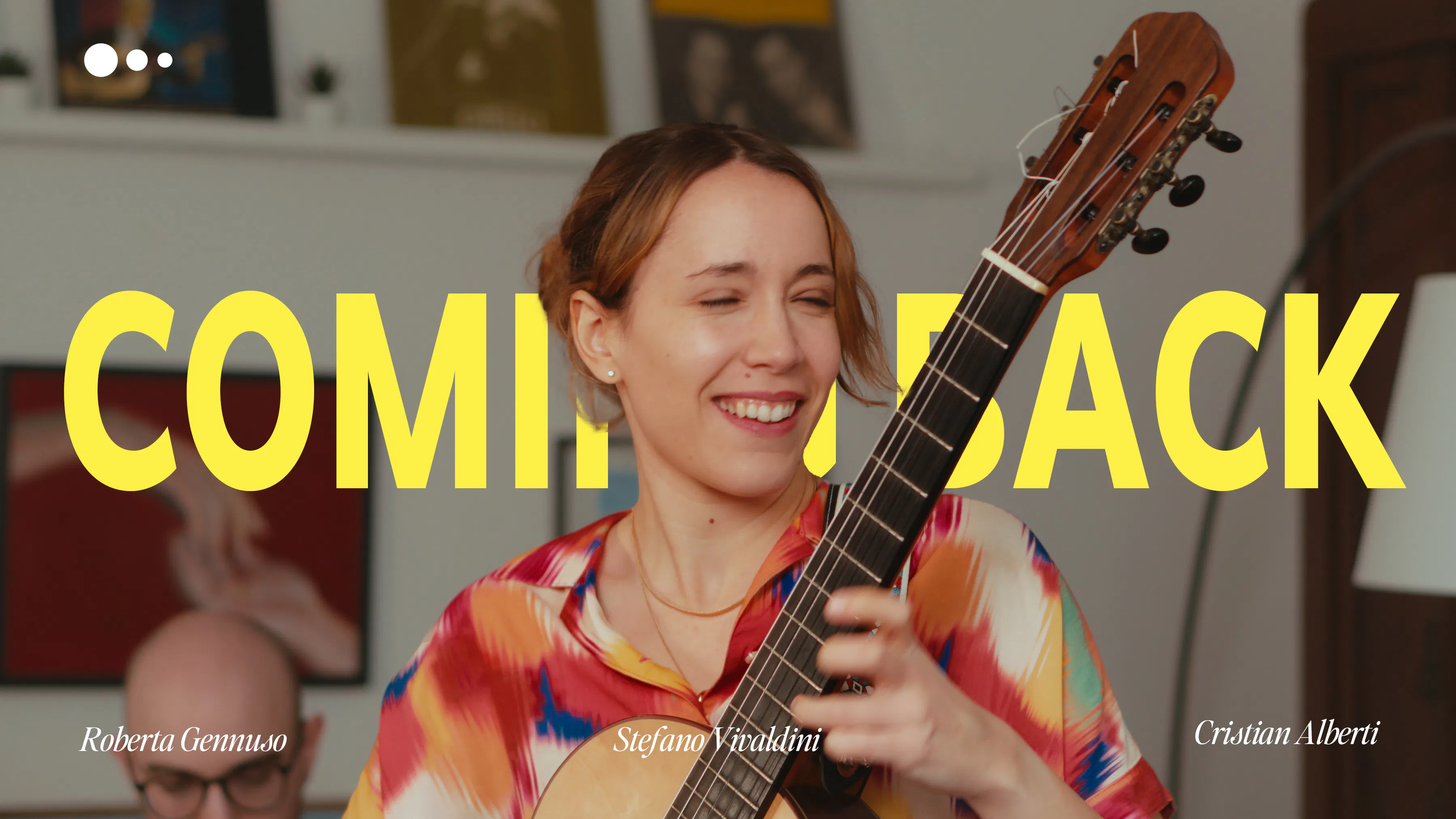
Then Stefano played one of his latest work for me "A la Santaninfara".
The piece comes from a collection called Canti del mare e della terra di Sicilia, put together by Alberto Favara in the early 1900s. Favara spent years travelling across the island with a notebook, writing down songs that fishermen, farmers, and mothers were singing without ever imagining they'd end up on a page. He caught them mid flight. "A la Santaninfara" is one of those. A small, lyrical thing that had been floating in Sicilian air for who knows how long before someone decided to write it down.
Stefano found it in that collection and arranged it for classical guitar. He has this way of translating vocal music without flattening it, keeping the sense that somewhere underneath the six strings a voice is still singing. When I opened the score for the first time, that was the thing I felt immediately. The guitar wasn't playing a melody. It was carrying a voice.
The strange part
Here's what caught me off guard. I didn't approach this piece like a classical guitarist studying a new arrangement. I approached it like someone being handed a song from a place she had almost stopped thinking about.
I don't mean I literally recognised the melody. I didn't. But there was something about its shape, the way it rises and falls, the little hesitations it has before settling on a note, that felt familiar in a way I couldn't quite locate. The kind of familiarity you feel when you hear a word in dialect you haven't heard since you were a teenager and it lands somewhere deeper than language.
I've spent most of my adult life in rooms that don't sound like Sicily. Conservatories, studios, apartments in cities where nobody talks like my family talks. You get used to that. You stop noticing what you stopped hearing. And then a piece like this one arrives and you realise a whole layer of you has been waiting to be addressed in its own frequency.
What I tried to do with it
I wanted to resist the temptation to "perform" Sicilian-ness. You know what I mean. Leaning too heavily into the Mediterranean colours, making everything more passionate and more sunlit than it needs to be. The original song isn't a postcard. It's a small lyrical moment, probably sung in the middle of ordinary life. I didn't want to turn it into a holiday brochure for an island I actually know.
So I played it the way I would have hummed it walking alone around the house. Quietly. Without underlining anything. Letting the melody do its own work.
Whether I got there is for the audience to say. But that was the intention.
The three-day experiment
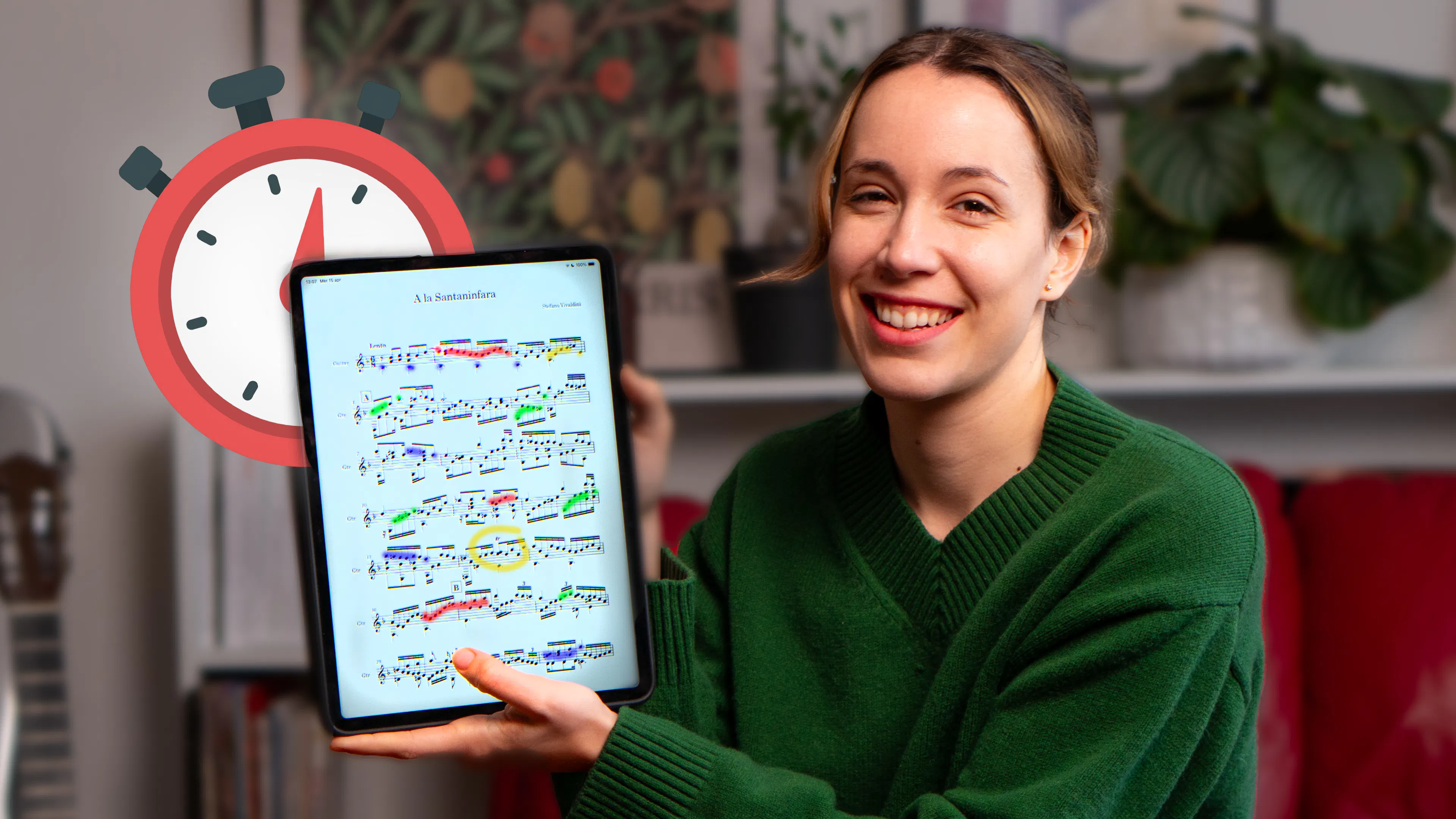
Before recording the final version, I gave myself a small challenge and filmed it: learn the piece in three days, from first read to something I could play cleanly. I put that whole process on the channel as its own video. Not because I think three days is enough to really know a piece (it isn't), but because I wanted to capture the early part of the relationship, the one that usually happens offscreen.
Watching the two videos back to back is interesting, even for me. The three-day version is rougher, more about survival than expression. The final recording is what happened when I stopped worrying about the notes and started listening to what the piece was actually asking for.
Those are two different kinds of playing. Both are honest. Neither is the whole story.
Why this one matters to me
I've played pieces from the classical canon my entire life. Bach, Tárrega, Villa-Lobos, the usual travelling companions. I love them deeply and I'll keep coming back to them forever. But "A la Santaninfara" is the first time I've recorded something that felt less like studying and more like arriving somewhere I used to know.
There's a difference between playing music you admire and playing music that comes from the same place you come from. Not better, not worse. Just different. One is a conversation with something you've learned. The other is a conversation with something that was already there, waiting for you to come back and listen.
I think I want to do more of the second kind.
If this piece finds you somewhere, I'd love to know where. Leave a comment under the video or write to me. Stories about where music catches people are my favourite kind. Roberta